
When I reached out to Capcom to review Pragmata, I did know what I was getting into, with the game being spoiled for me early on thanks to content creators on TikTok. But that did not deter me from wanting to experience the story firsthand, and between having to take a break due to a development project and classwork, here it is: my full review of Pragmata, roughly two months later.
When the game begins, we’re treated to a cinematic masterpiece of cutscenes as we arrive on the Moon with our colleagues before they meet their untimely end. We fall through a collapsing floor and are injured as a result, and it’s here that we’re introduced to Diana, a Pragmata designed and created by a researcher at the Moon base owned by the Delphi Corporation.
She does what she can to retrieve a first-aid kit and patch us up, and as we get moving, the rogue A.I. at the facility sends robots after us both in an attempt to exterminate us. We’re instantly thrown into combat, where we face a unique situation: our weapons are ineffective against the bots.
Diana, being a Pragmata, possesses the means to hack into these robots and expose their weaknesses, and it’s here that we find a cooperative partnership. We play as the human character Hugh Williams, while Diana serves as our on-the-shoulder hacking assistant, allowing us to progress through the game and overcome the difficult challenges we face as we dive deeper into the mystery of what happened at the facility on the Moon, which is now devoid of all human life.
As we progress, we are given access to a safe place where the robots don’t interfere with or chase after us, known as a Shelter. It acts as our hub, where we can upgrade our equipment, change our cosmetics, and improve Diana’s hacking abilities. We can also play training simulations to hone our skills and earn materials to upgrade our gear as we prepare to fight various bosses that, on initial inspection, made me swear Hideo Kojima was moonlighting at Capcom and giving them design tips.
No, seriously. These bosses look like something straight out of Metal Gear, and Hugh Williams looks suspiciously like a bearded Solid Snake.
But I digress.
As the game progresses, we are faced with new challenges and a variety of enemies scattered throughout unique locations resembling New York City, forests, beaches, and more. We even venture outside to explore the lunar surface, where even more challenging bosses lie beneath the ground.
It’s through exploring these various areas and discovering lore books that we begin to understand what happened at the facility on the Moon. We learn about the new material being researched to recreate these unique environments, called Lunafilament, as well as its counterpart, Dead Filament.
This research was led by the genius Dr. Higgens, and like any traditional Capcom game, no good deed ever goes unpunished.
Dr. Higgens was researching Lunafilament in hopes of finding a way to save his daughter, Daisy, from an incurable disease. And, like every major corporation that finds itself on the verge of a breakthrough, Delphi wanted to push the technology into human trials before it was ready.
Dr. Higgens created Diana and another Pragmata named Eight to help develop this cure, but the corporation’s push into premature human trials ultimately killed his daughter. This led Eight to want to inflict Dr. Higgens’s pain back onto humanity by using Dead Filament—a material that, once it attacks living organic tissue, kills its host by dissolving it.
What started as a struggle to get home and report back to Earth about what happened at the facility on the Moon soon becomes a struggle for survival, as Hugh and Diana are forced to confront Eight in order to save humanity.
As Diana and Hugh are both wounded, Hugh, being made of organic material, is now facing his own demise.
What started as a partnership between a kind, innocent robot and a human then becomes a man’s dying wish. Hugh teaches Diana about the things he learned growing up as an orphan, including the adopted family who encouraged him at every opportunity. It helped build this nuanced understanding between the two characters, and it even made me reflect on my own parents and the people I love.
It probably didn’t help that Diana looks suspiciously like my niece, while Hugh and I are almost the same age and apparently love the same foods.
I’m not even projecting here. I’m stating actual facts, haha.
The bond between Diana and Hugh—as both a parental relationship and a friendship—is ultimately tested when Diana is forced to reconcile with the fact that Eight cannot be saved. If Eight continues, she will kill the people Hugh loves, and Diana will never get to see Earth for the beauty that it is.
During their confrontation, Diana stops Eight from sending Dead Filament to Earth and ending all life as we know it.
Sadly, though, the story does not have a happy ending. Instead, it ends on a bittersweet note.
Diana learns that Hugh will not survive, and with the last of his strength, he pushes the cargo vessel carrying her away, launching it toward Earth. Because of Hugh’s sacrifice, Diana finally gets to experience something he had told her about: standing on a real beach for the first time.
Truthfully, Pragmata is a masterclass in storytelling.
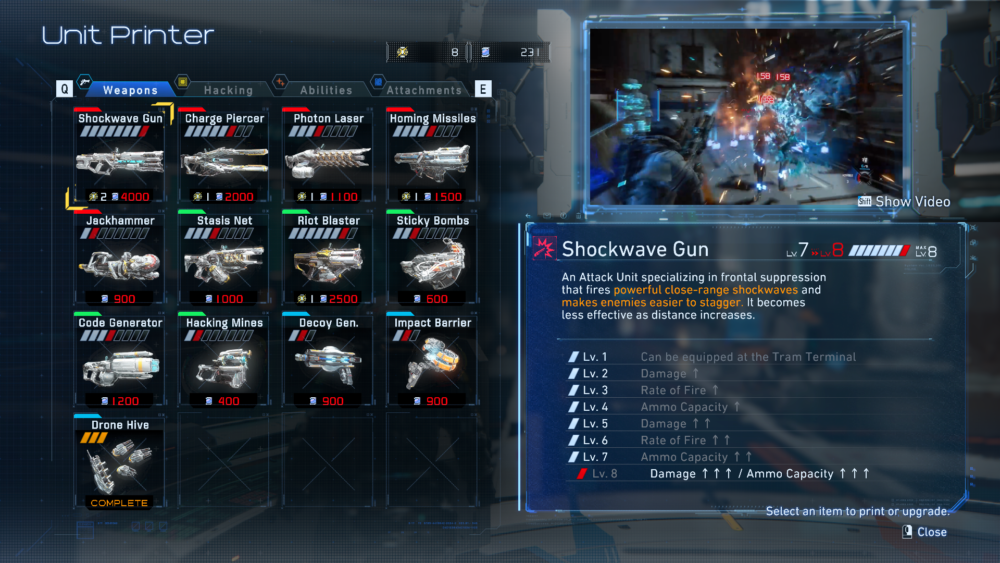
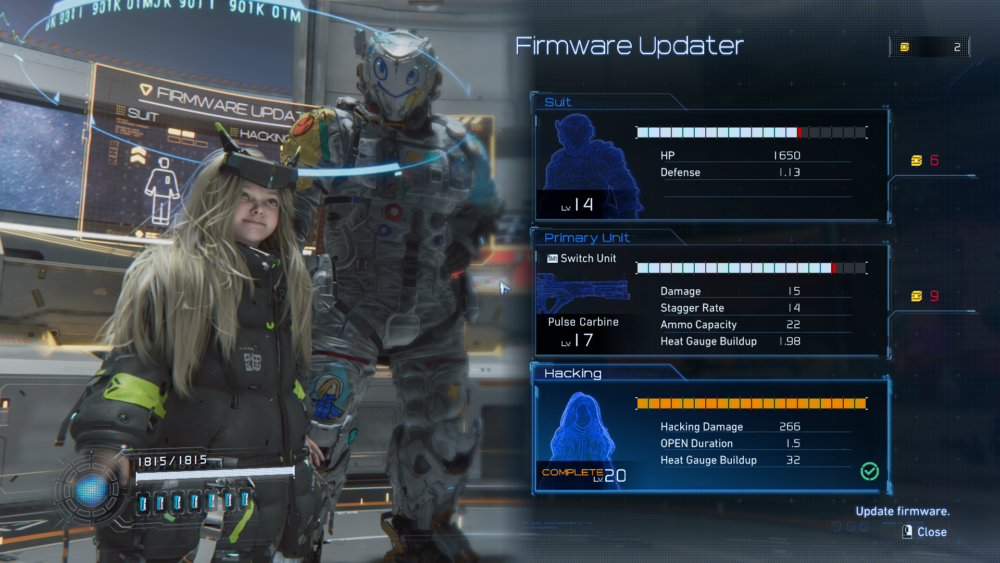
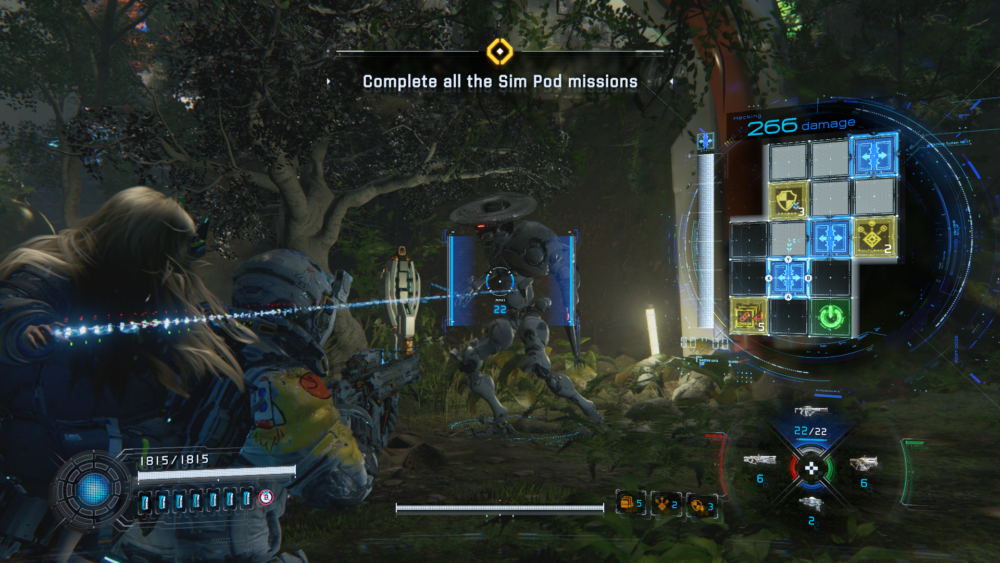
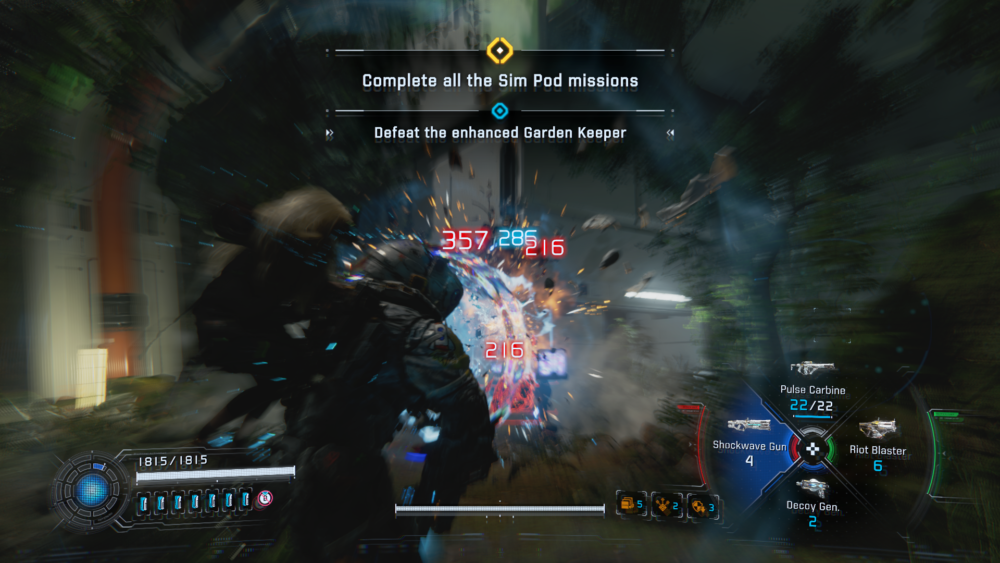
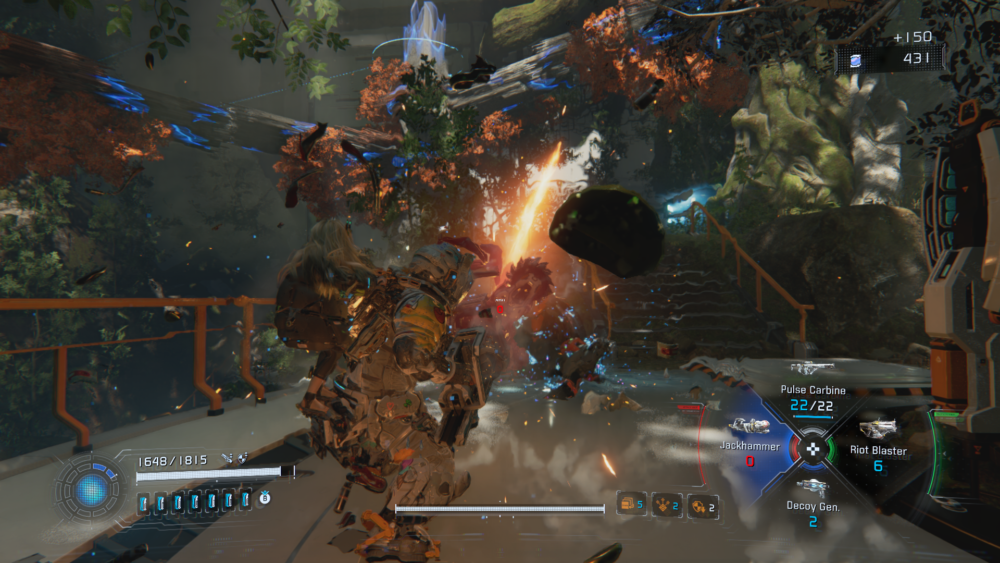
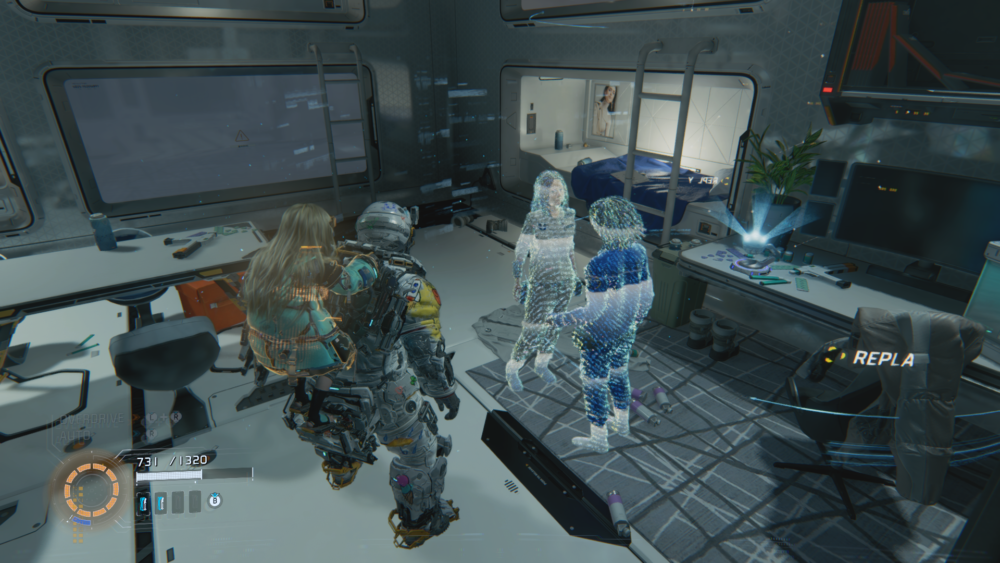
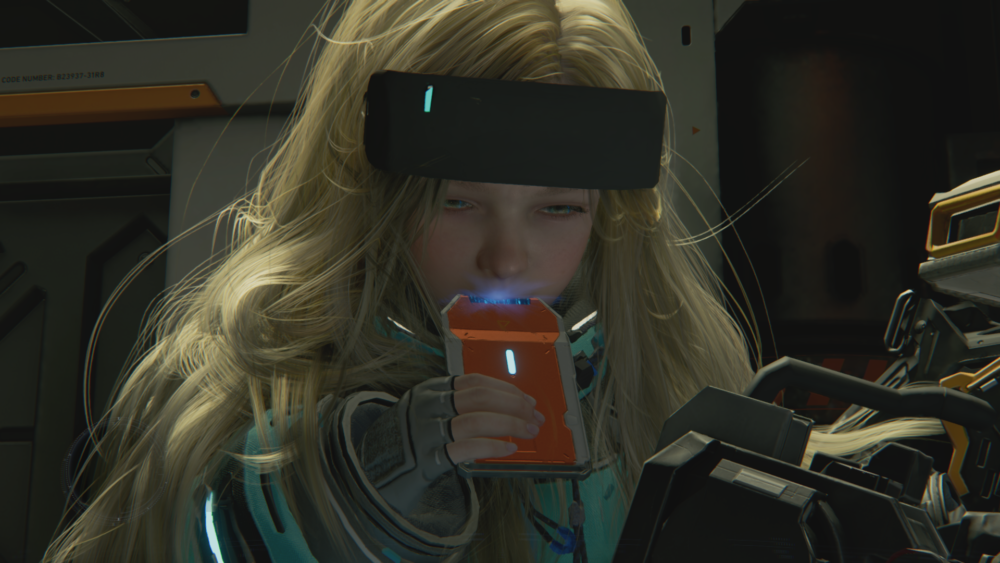
Despite knowing what was going to happen, I was still left on the edge of my seat—not because of the challenges I faced while playing on Casual Mode, which was very enjoyable and easy to follow thanks to its simple, accessible tutorials, but because every piece of lore you discover helps build a deeper and more nuanced understanding of the facility, the characters, and the stories you uncover throughout it.
More importantly, the narrative became reflective of society and our current understanding of how we view A.I. in the present day.
Eight’s inability to understand Dr. Higgens’s wishes because she cannot rationalize human emotions in the same way Diana attempts to is reflective of how A.I. systems like ChatGPT, Anthropic’s models, or even Meta’s models are trained to simulate certain behaviors without necessarily understanding those nuances in the way a human being does.
The same can be said for I.D.E.U.S., the rogue A.I. that helped Eight kill all of the humans at the facility to ensure that Eight’s plan would succeed. These systems aren’t necessarily developing new experiences; they are operating according to the programming and objectives they were given.
That idea is reflective of how a lot of modern A.I. systems are developed and created, and Capcom’s writers saw that, understood the issue we face, and integrated it into the narrative structure of Pragmata.
And it was done masterfully.
Now, when we’re discussing the mechanics of Pragmata, the gameplay is solid.
The blend of character customization, gunplay, and mid-fight hacking forces you to think strategically. You need to hack enemies in order to expose their weak points before you can effectively damage and defeat the robotic opponents you encounter.
Because of the variety of enemies—some being fast, some slow, some heavy hitters, and others even being capable of locking out your ability to hack—the game creates unique challenges that force you to figure out how to resolve each situation.
Sometimes that means using the surrounding environment to your advantage, such as activating garbage-disposal-like equipment to vaporize enemies. Other times, it means turning the enemies’ own weapons and equipment against them to defeat whatever is standing in front of you.
Pragmata blends this unique combination of hacking and gunplay in a way that I found both incredibly enjoyable and challenging. It gives players a huge number of ways to approach and overcome encounters through different combinations of mods, weapons, hacking abilities, and environmental tools.
Ultimately, the big-money question here is: Do I recommend Pragmata?
Most definitely.
It has a unique blend of seamless narrative storytelling that Capcom has become known for, interesting characters, a compelling plot premise, and themes that reflect modern issues without constantly throwing them in your face. Instead, the commentary exists as a subtle undercurrent while the gameplay, characters, and player experience are allowed to do the talking.
Pragmata is a masterclass hit, and I absolutely enjoyed it from start to finish.
I would wholeheartedly recommend it to anyone who simply wants to play a really good game.
I’m often to blogging and i really appreciate your content. The article has actually peaks my interest. I’m going to bookmark your web site and maintain checking for brand spanking new information.
I very delighted to find this internet site on bing, just what I was searching for as well saved to fav