
Like many others in the Destiny 2 community, I wanted to know not only what Marathon was about, but what it was like, as there was a lot of speculative discussion that Destiny 2’s downfall would be directly tied to Marathon, and to a large degree it was. But was Marathon as a whole worth it in the long run?
It is this reviewer’s opinion that it was not. Though the game itself is fun to play, the issues presented in it make the game difficult to enjoy if you are not familiar with the extraction shooter genre. Primarily, my issue with Marathon stems from the time it takes to load into a match, and the convoluted menu and sub-menus that make it difficult to navigate.
This becomes a clear issue early on. In games such as Escape from Tarkov, the menus are simplified, easy to understand, easy to follow, and easy to navigate, with dealers, the auction house, and the flea market. Bungie’s attempt at their entry into the extraction shooter genre is rife with confusing menus and extra subtext that take away from what Marathon could be, as Bungie seeks to branch out its other intellectual properties into other games, thereby taking the Destiny 2 approach to storytelling with lore books and minimal dialogue. This becomes evident from the title screen, where the first set of menus breaks into loadouts used for deployment, factions, the codex for all the lore, the rewards pass, and the storefront to buy cosmetics.
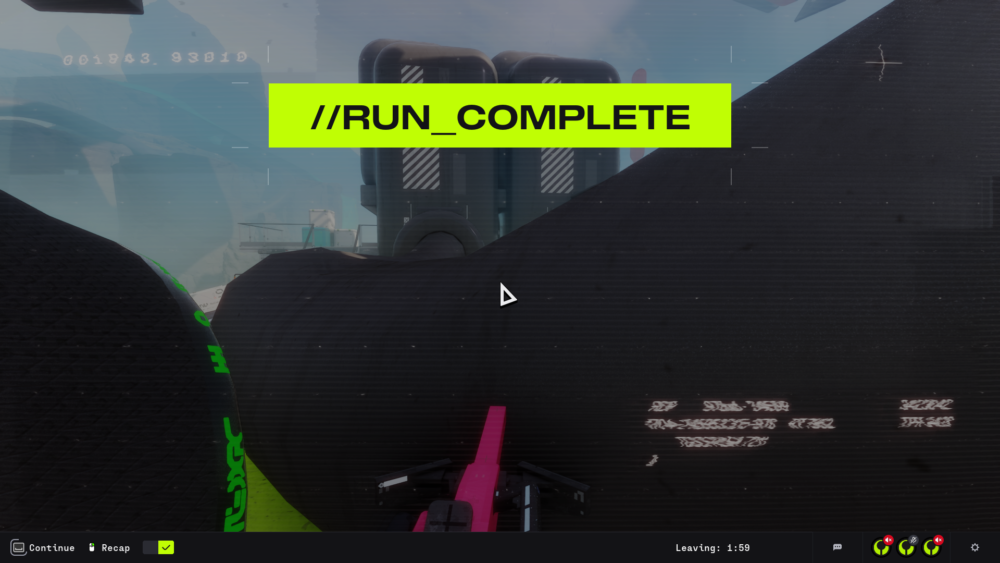
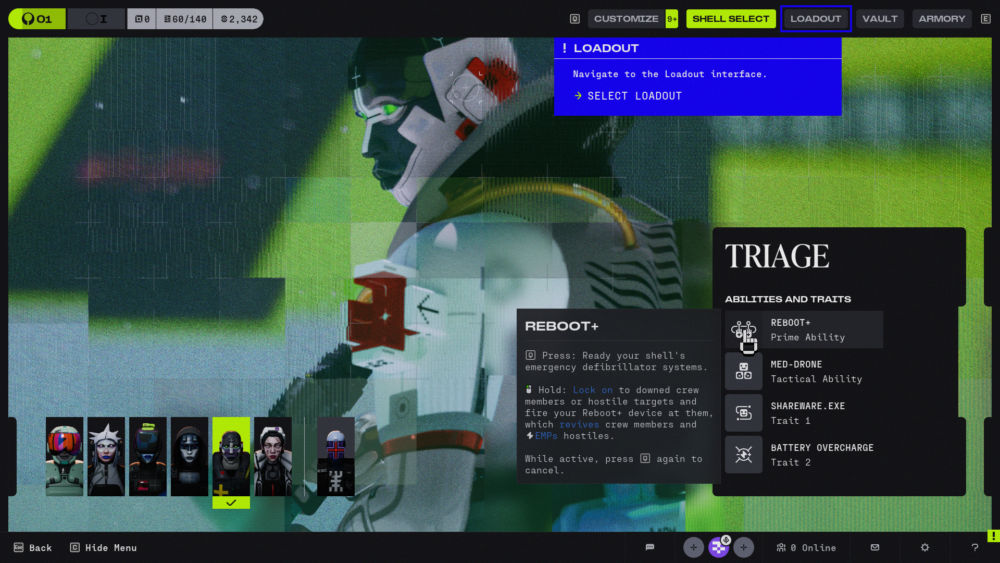
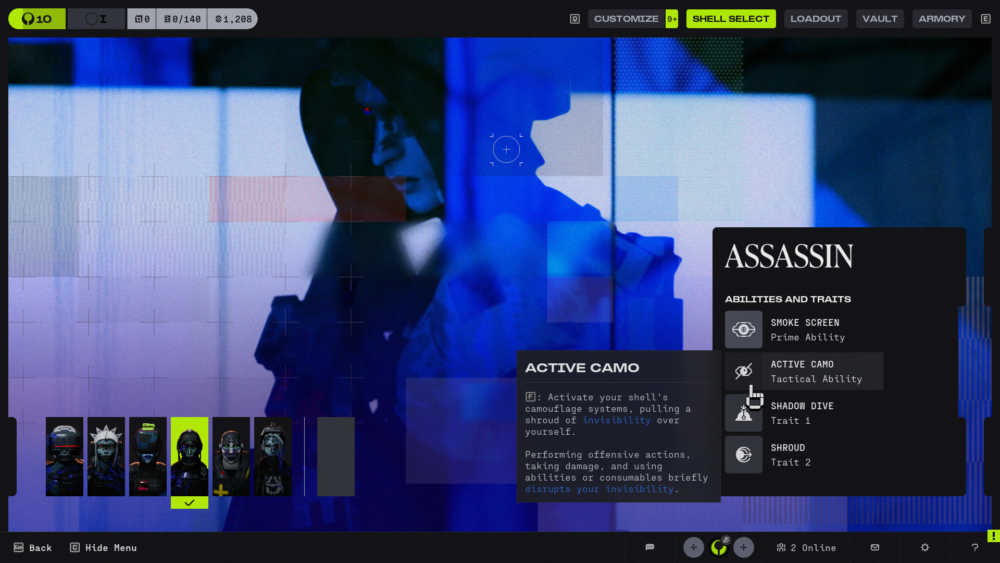
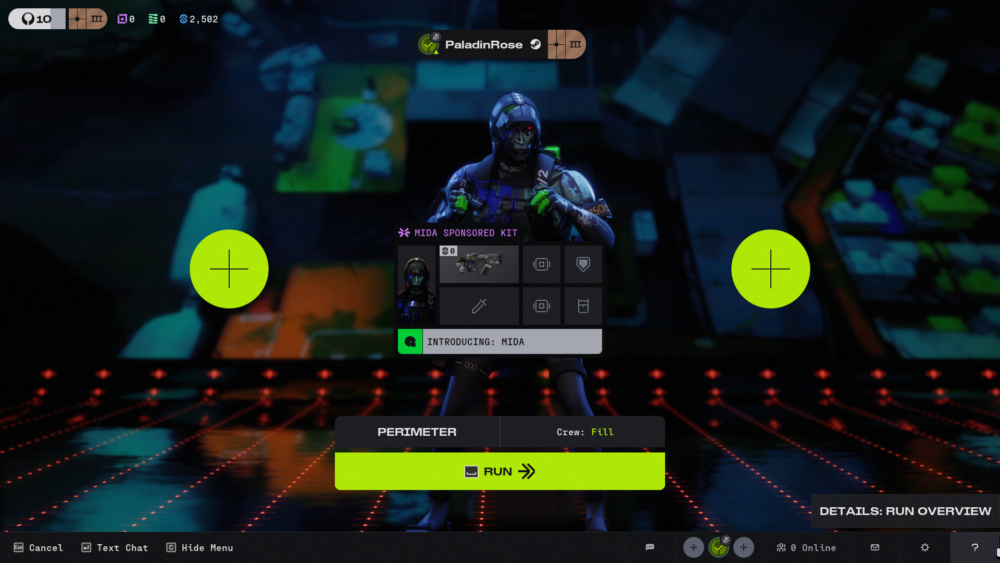
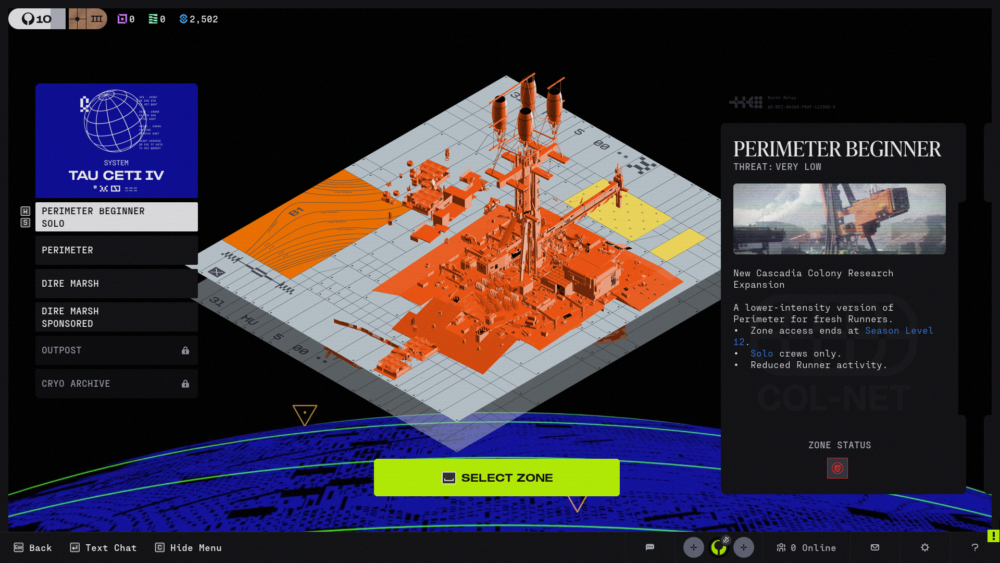
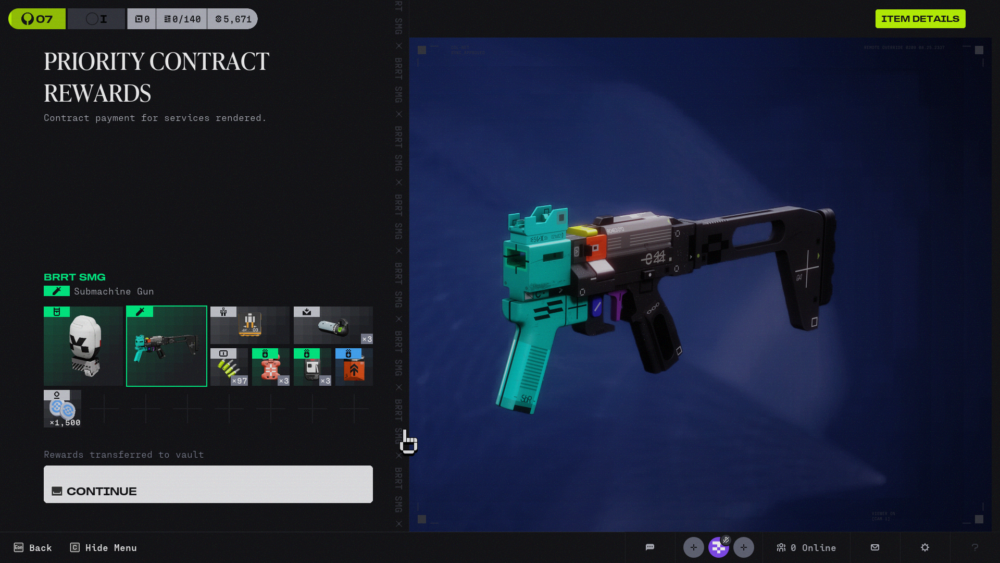
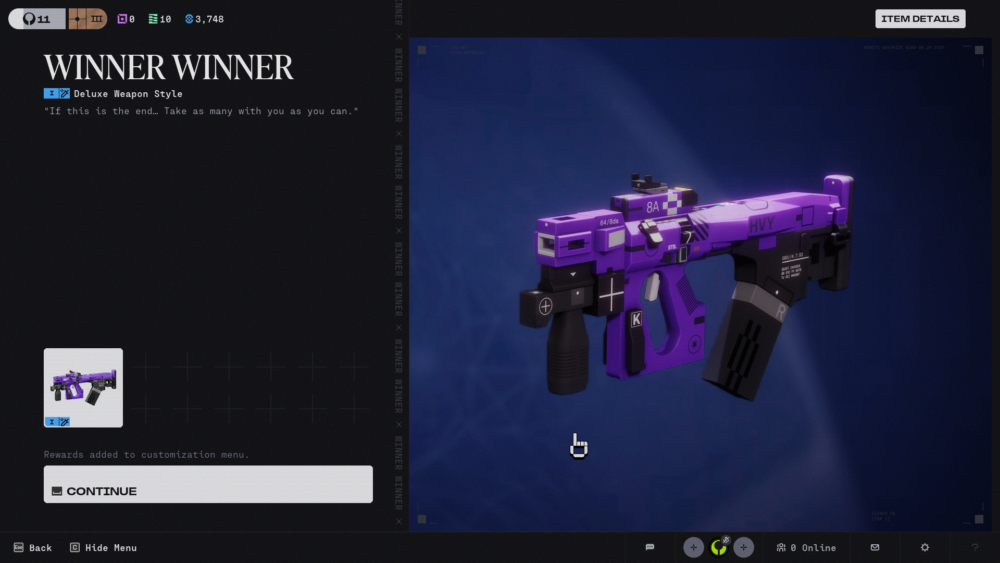
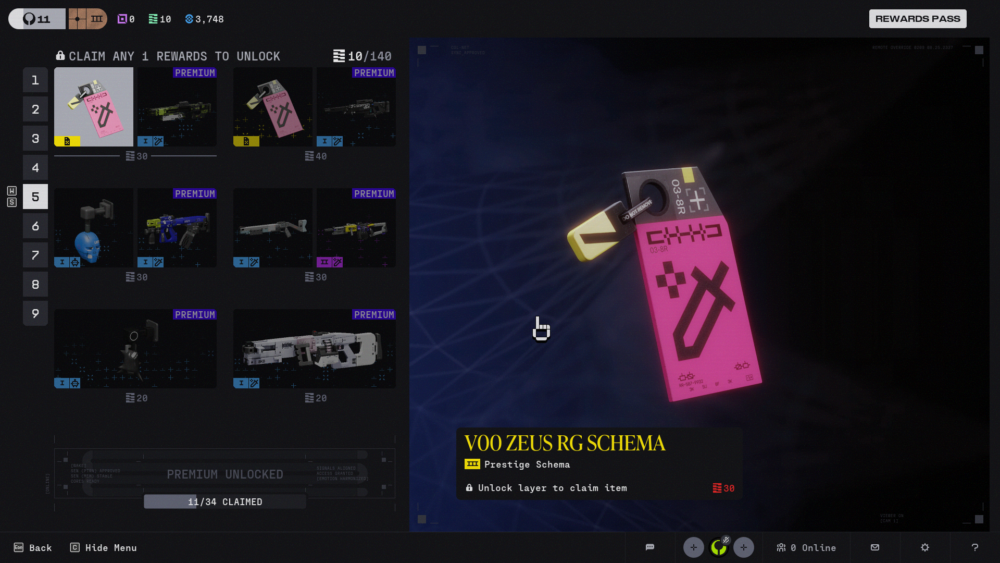
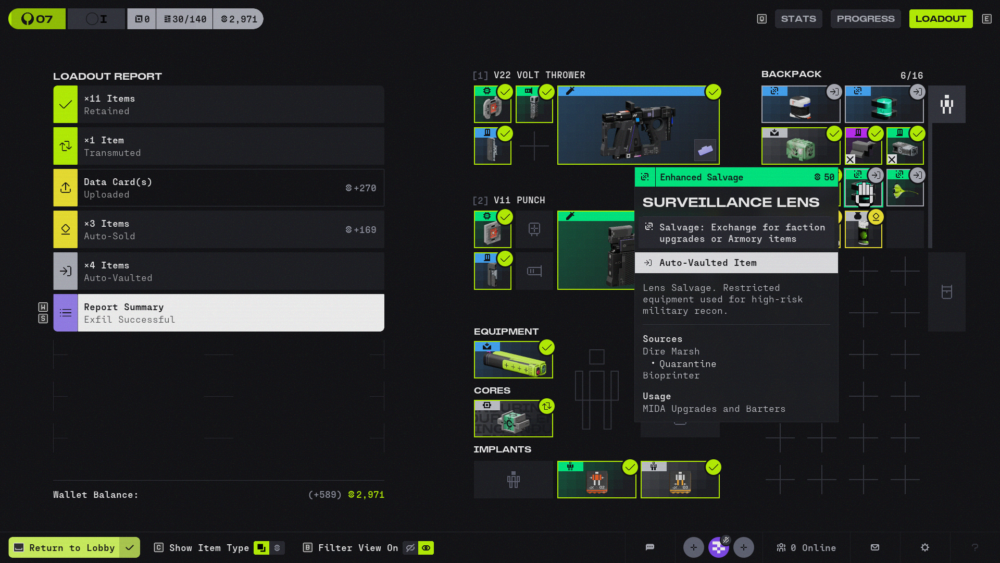
If the player wants to jump directly into the action, they first have to navigate to the loadouts menu, where it allows the player to select which character models, or “shells” as they are referred to, they want to play as from a series of six, plus an additional Scavenger-specific one. After that, they must navigate to the armory to buy gear or get a free gear pack, or to the vault to equip their shell with stored equipment, before navigating to the loadout section to see what their shell is currently holding, and lastly to the customize menu to select the skin of each item they want before returning back to the title screen to prepare for deployment. After that, they then have to select what zone they are deploying to and whether they are going to squad up or play solo, with no option for a duos mode unless you want to go one man down in a squad game. That is solely to jump into a single match, and if you die and lose all your loot, which happens quite often in an extraction shooter, you have to repeat that cumbersome process all over again.
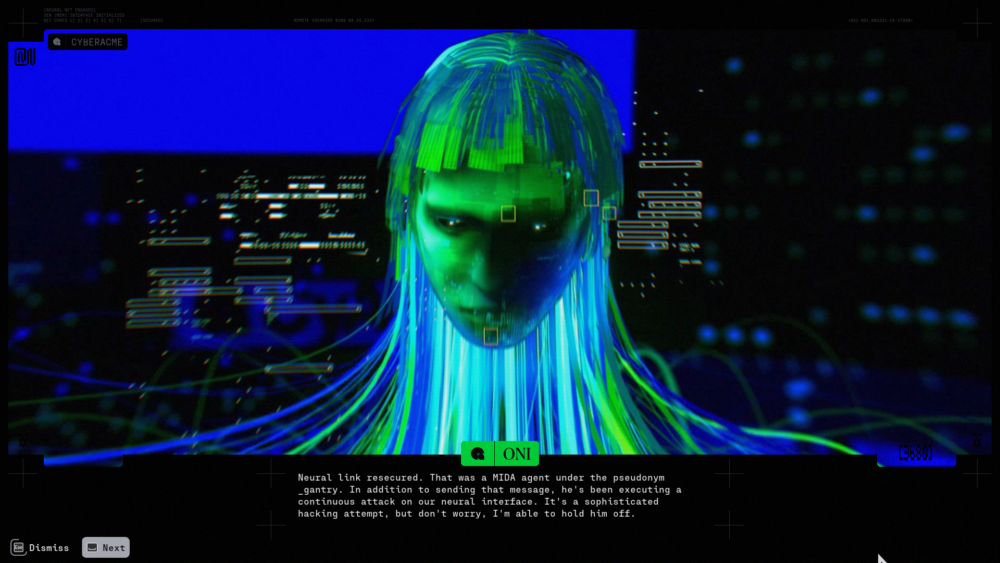
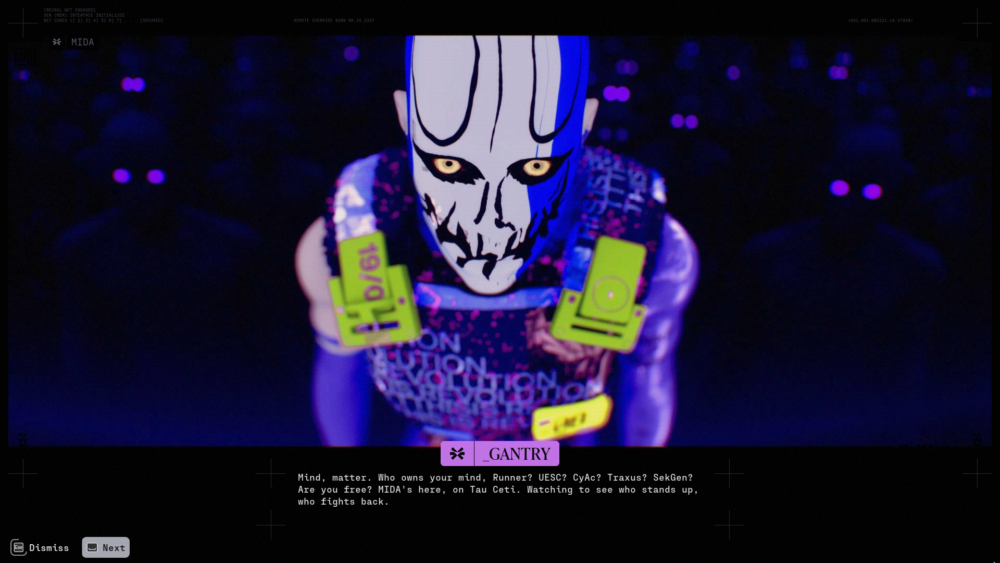
Now, if the player wants to learn more about the game’s lore, they have to play the game, accepting faction missions from one of six groups at a time: CyAc, Nucaloris, Traxus, MIDA, Arachne, or Sekiguchi, and upon completion we are granted a narrative portion of the story from static characters whose lips do not move and instead solely face the player character to illustrate that they are talking, in the same manner one would order a burger at a McDonald’s drive-through. But additional lore can be found on the title screen in the Codex, and it goes into detail about weapons, items, the world of the game, factions, the loot, and the player’s career achievements, in the same manner Bungie has been doing for years with Destiny and Destiny 2: lore drops in text form where the player, if they are interested in the story, can read the story, and not experience the story firsthand.
Lastly, in the factions section, you are given the opportunity to increase your standing with each faction, allowing the player not only to accept more contracts, but also unlock upgrades for their respective factions to give permanent buffs to the player’s vault, equipment, or shells to make gameplay and storage easier, but not so much as to unbalance the game.
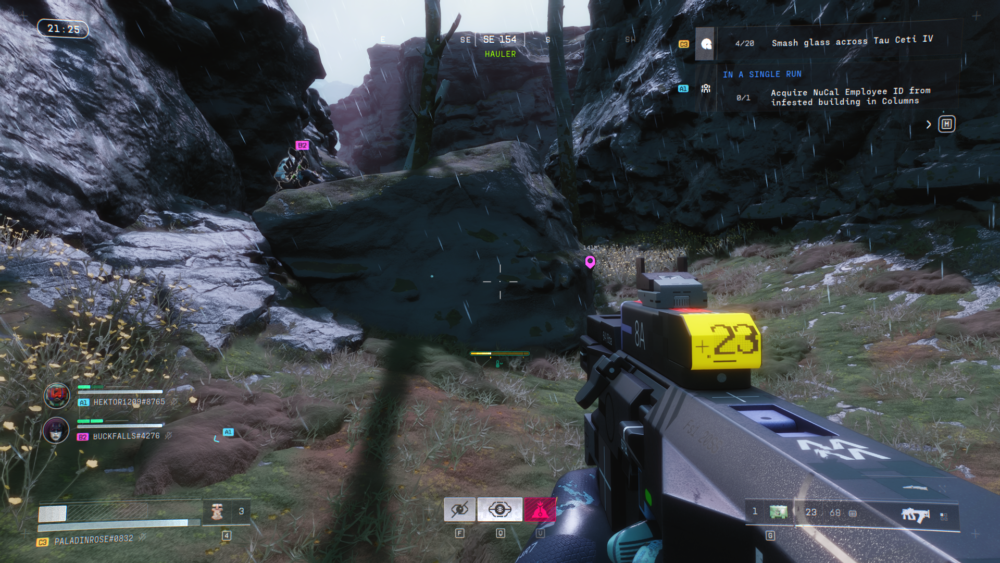
When it comes to the actual gameplay, much like the menus, the gameplay is bogged down with visual choices that do not illustrate the importance of things, such as the shell’s shield or health bar, which is tragic, as Bungie crafted a visually stunning and informative one when they developed Halo, and which to some degree is still present in Destiny and Destiny 2. In Marathon, it feels neglectful, scaling the type of shield to a visually small indicator rather than color-coding it or adding numbers to help it visually stand out and communicate how strong the player’s shield actually is.
However, the fact that they even gave Marathon a user interface, when Tarkov explicitly lacks that, is itself an improvement, and even more so Bungie listened to the players and finally crafted a dedicated server system to handle Marathon’s gameplay to prevent cheating, which became a common complaint among Destiny and Destiny 2 players, as the system was exploitable. In that manner, Bungie has taken into consideration some of their failures from Destiny 2, while also carrying over a lot of the problems that plagued Destiny.
The gunplay for Marathon feels solid, and each character shell during combat does build out their uniqueness, with a lot of inspiration being drawn from Destiny 2 in their gameplay design, such as the Assassin’s invisibility akin to the Hunter’s smoke bomb, or the Destroyer with the Riot Barricade acting as the Titan, protecting their teammates.
Collectively, all these factors do make Marathon fun to play, but like Destiny 2 it suffers if you ask that simple question: why are we playing? The goal is to grab loot, level up, and read more of the story, and due to the difficulty of acquiring items and having to start everything over again, only for the reward to be a lore book feels disappointing. One would expect to have full cutscenes, something more tangible to draw the players into this world, but instead we are left with a repetitive cycle that takes well over one to ten minutes to prepare for each deployment depending on whether you lived or not in your last run.
In conclusion, Marathon is fun to play, but annoying to keep playing, and if you are a sadist who loves to be punished for losing, or if you are a player who simply does not mind the grind, then you would probably enjoy Marathon.