
Destiny 2: Edge of Fate
The story for Destiny 2 continues where we left off with Destiny 2: The Final Shape. The Witness has been defeated, and from that defeat fragmented aspects of his power were scattered throughout the universe, called Echoes. These Echoes subsequently landed in the hands of figures such as Fikrul, Eramis Kell, and Maya Sundaresh, while the aftermath of that collapse also spread aboard Oryx’s Dreadnaught, bringing back a version of Oryx that no longer truly existed, with each of these threads receiving its own episodic story.
When The Edge of Fate launches, we are thrown into a prophetic nightmare where the higher beings known as the Nine are inviting us to Kepler, where a Fallen Archon of the House of Exile, Archon Levaszk, is trying to speed up the extinction of the Sol System by feeding a singularity that seems distinctly contained to the orbit of Kepler. We arrive only to find out Maya Sundaresh is also trying to take over the area, where a surviving branch of humanity known as the Aionians has lived and grown on the planetoid since the Golden Age, and Maya, fueled by her desire to rebuild the Golden Age with the Vex, is trying to seize control of the region.
Leading us into a struggle where we are fighting both the leader of the Fallen House of Exile and Maya Sundaresh, we are joined by Lodi, a man from out of time who becomes the Emissary of the Nine after Orin, a former Guardian, decides to step away from that role due to the loss of her free will. While we are there, we begin to unravel the secrets of the Nine, learn who Lodi was as he was taken from the Department of External Observation, something akin to a Golden Age CIA, and thrown forward in time only to meet a former colleague who would later be resurrected as the Guardian we now know as Ikora Rey. As we uncover these and other secrets, we learn a horrifying truth, that III of the Nine had set parts of this in motion long before the Witness, leading to Ikora’s death in the past and Lodi being transported into the future.
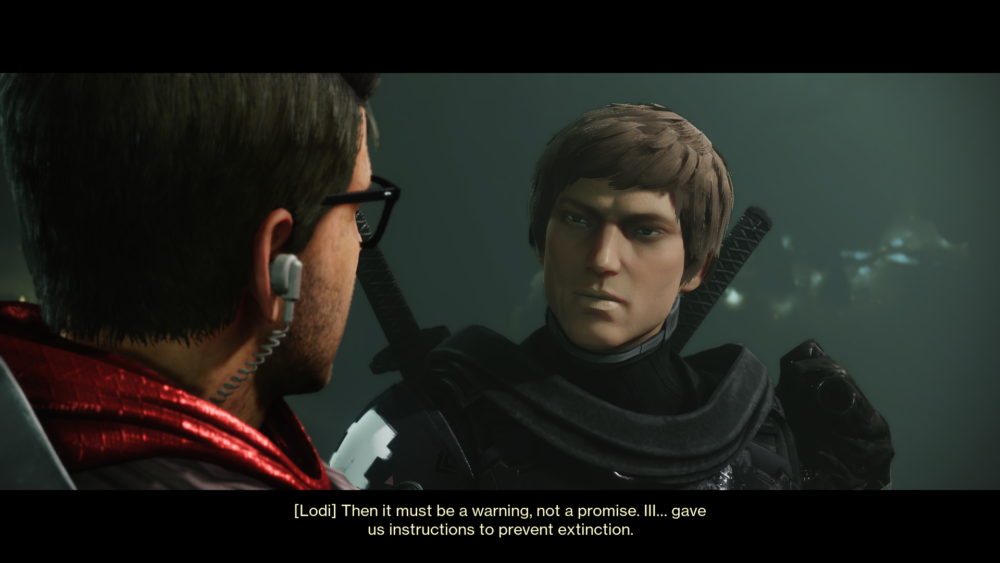
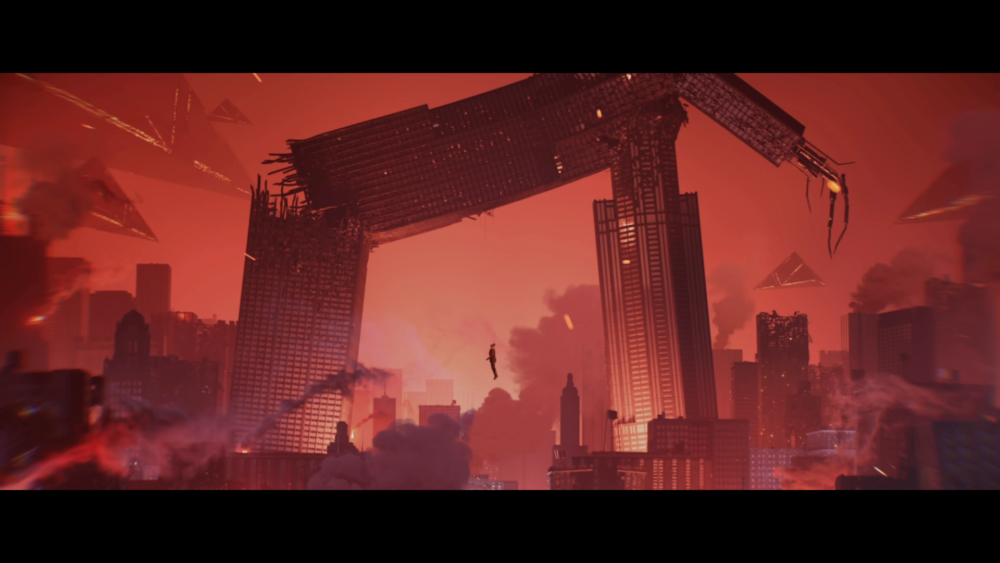
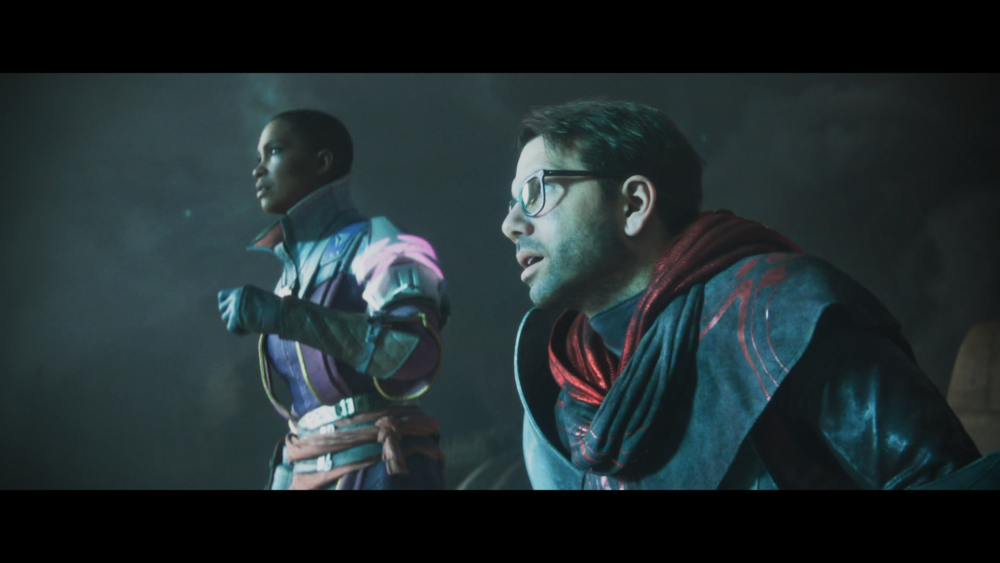
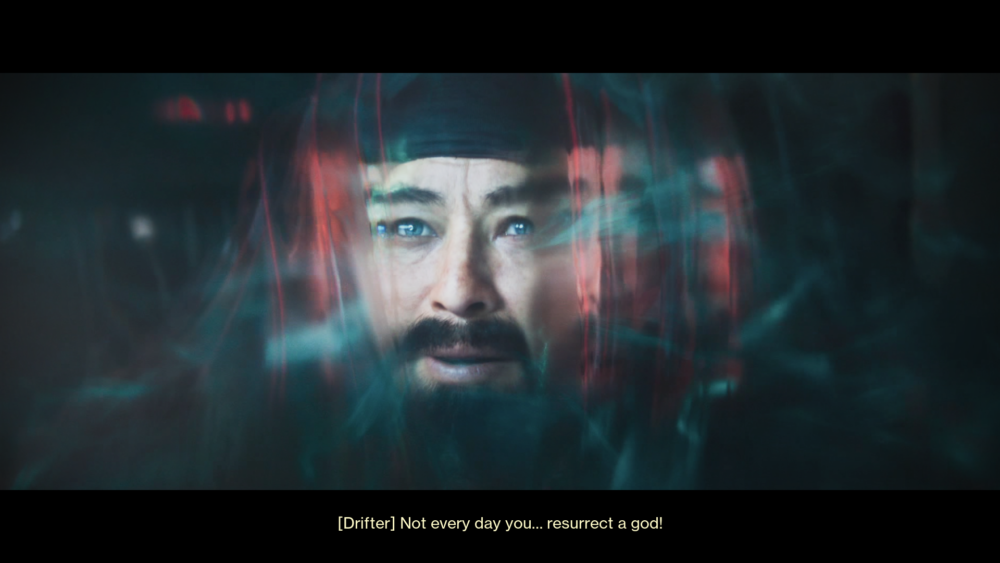
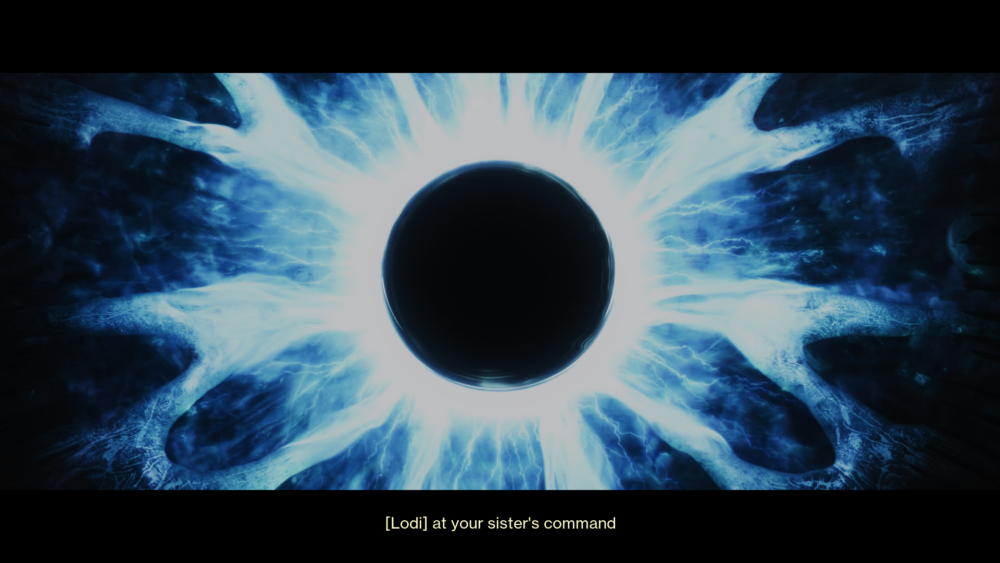
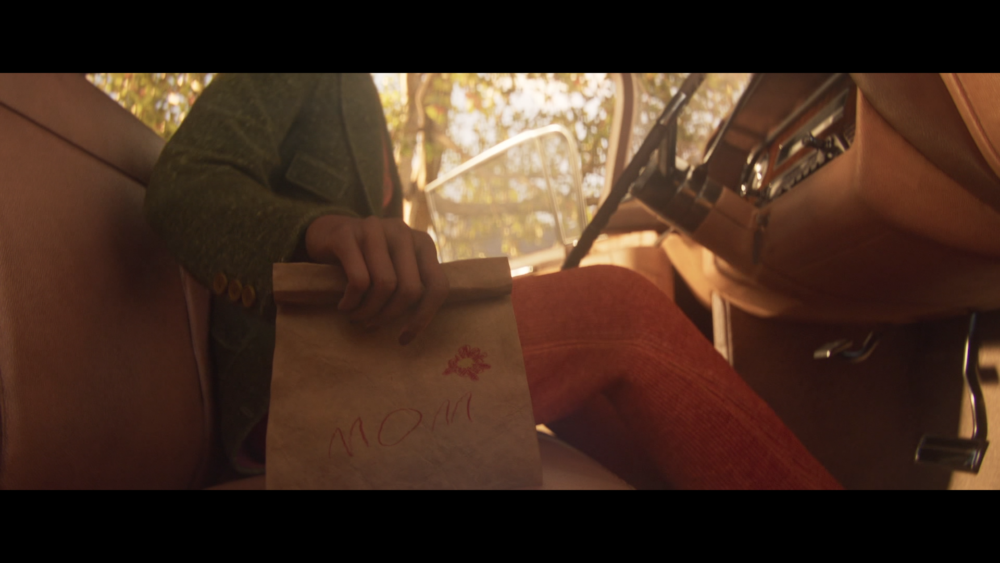
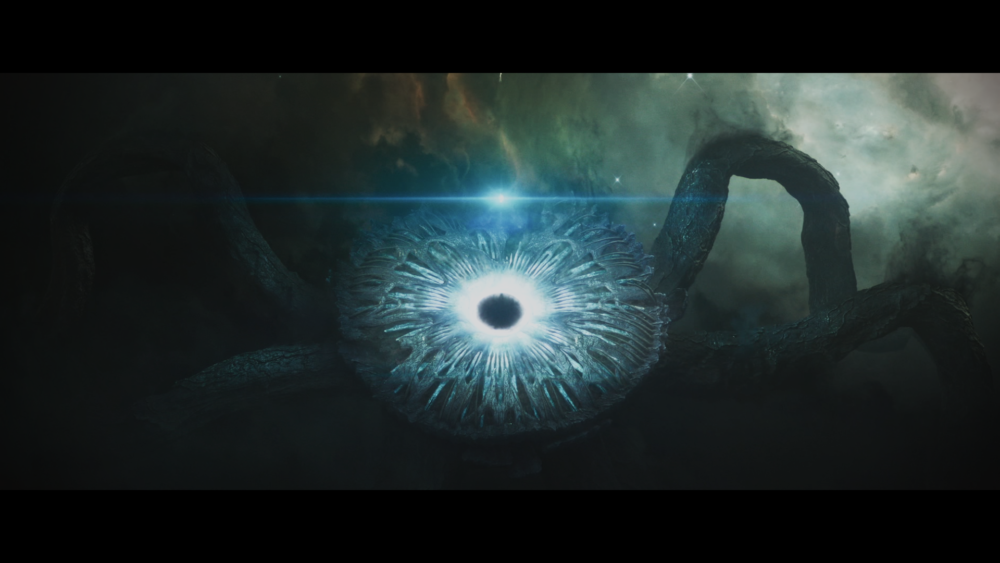
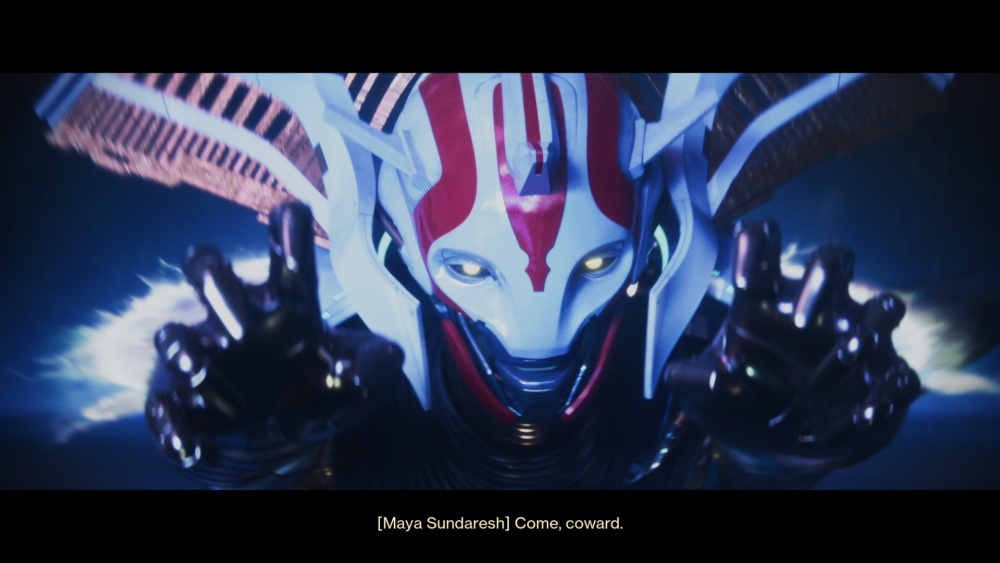
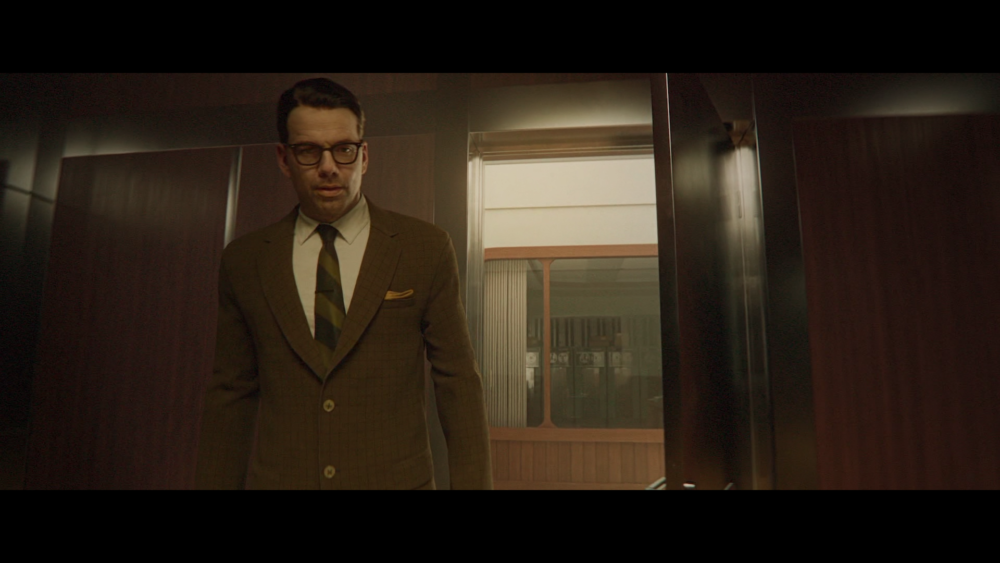
The reason for this becomes clearer as the story unfolds, with Lodi speaking on behalf of the Nine alongside Orin, while the Drifter’s own ties to the Nine also place him close to the truth. We learn that the Nine seek freedom from their higher existence, that they war with one another, and that we, the Guardian, were seen as one of their chosen instruments in that conflict. But, as things begin to come to light and Maya and Levaszk both push the situation with the singularity further, it is revealed that III of the Nine is already dead. Maya Sundaresh, using the power left behind by the Witness and the Echo of Command, pulled III into our universe and subsequently killed them, causing the singularity to form, and after the defeat of Levaszk, Drifter is able to throw the Haul he has been carrying aboard the Derelict into the singularity, briefly resurrecting III. III now temporarily resurrected gives us a warning before being killed again by Maya Sundaresh: bind the Nine or face extinction. That warning is what sets the tone for everything that follows and leaves Ikora Rey carrying even more of the burden for what comes next.
Destiny 2: Renegades
This subsequently launches us into the next expansion, Renegades, where our Guardian is recruited by the Drifter and Praxic Order Warlock Aunor Mahal to investigate a new power that has risen seemingly overnight within the Sol System under the leadership of an individual named Dredgen Bael. We are tasked with finding out who Bael is, where he is from, and how he rose to power to rival that of the Vanguard, only for us to discover that the Nine have caused a time dilation on Mars, Venus, and Europa, enabling Bael’s forces to research and develop weapons at extraordinary speeds and create a universal superweapon called the Nightfall, one that is very clearly meant to echo the Death Star inspiration Bungie leaned into with Lucasfilm Games.
While we fight against Bael, we learn a horrifying truth, that VI of the Nine has inhabited his body, mutilating it in the process, and to make matters worse we learn that Bael is nothing more than the son of a Tex Mechanica weapons manufacturer who dwells within the Last City back on Earth, in short, he’s a citizen we’ve protected from The Witness and all other threats against the Last City. But unlike Lodi, who was chosen by the Nine as their Emissary, Bael’s body was forcefully taken, and once VI was bound to him, that member of the Nine could no longer simply leave, essentially making Bael a prison for that power. While these discoveries for our band of heroes, Drifter, Eris Morn, Eido, and Aunor Mahal, are monumental, they also set the tone for the danger we are facing both politically and narratively as we leave the new cantina set up at Tharsis Outpost on Mars, moments before it is struck by Bael’s superweapon, killing the Guardians and Ghosts caught in the blast and leaving only those still alive as witnesses to these horrific deeds. Now with that weapon pointed directly at the Last City, Guardians are given an ultimatum: leave and abandon those they swore to protect, or die, and even if they had enough time to evacuate, it would go against everything Guardians stand for.
Leading to us going on a suicide run into Bael’s Nightfall superweapon to disable it and destroy it from the inside, it becomes one of the clearest Star Wars-inspired runs in Destiny 2, saving the Last City by riding through the trenches, taking out turrets, and destroying the core of the Nightfall weapon itself in a manner akin to how Luke Skywalker destroyed the original Death Star. At the end of it all, we celebrate our victory as Drifter decides to take his leave of the Sol System, having learned that Bael may in fact have been tied to part of his sordid past from when he ran with the Dredgens, and so he leaves to try to right his wrongs, but not before Eris Morn leaves him with a symbol of the promise between them, and reminds him that he still has a fireteam waiting for him when he returns, reinforcing that he is welcomed and loved in one of the longest-running shipping wars the Destiny 2 community has followed since Season of Arrivals.
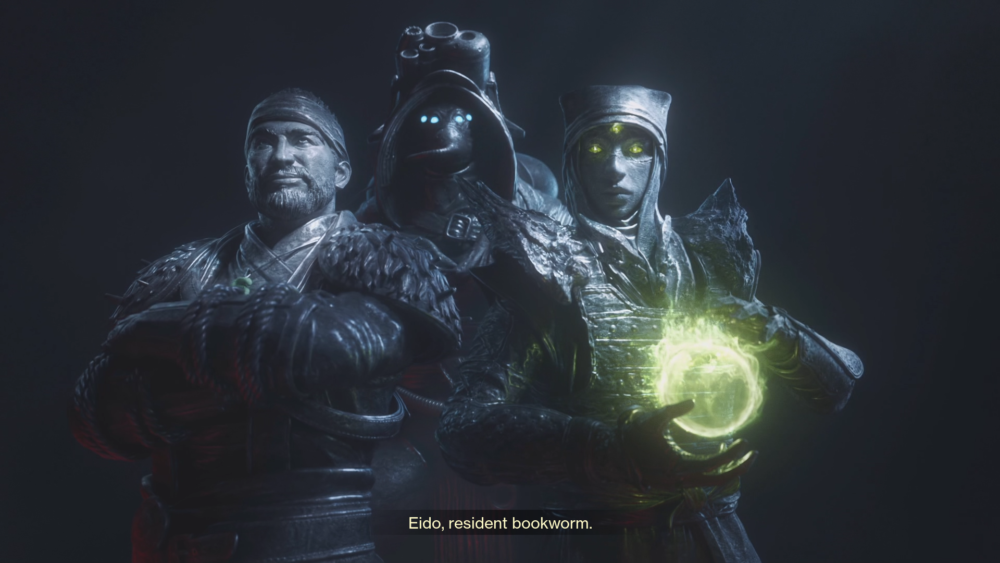
Drifters Fireteam 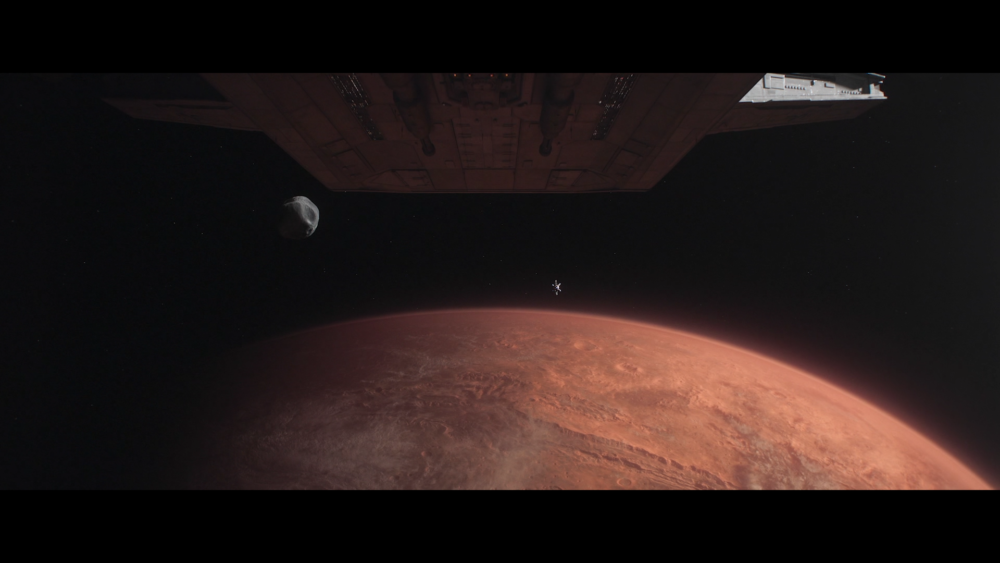
Star Wars Opening in Destiny 2 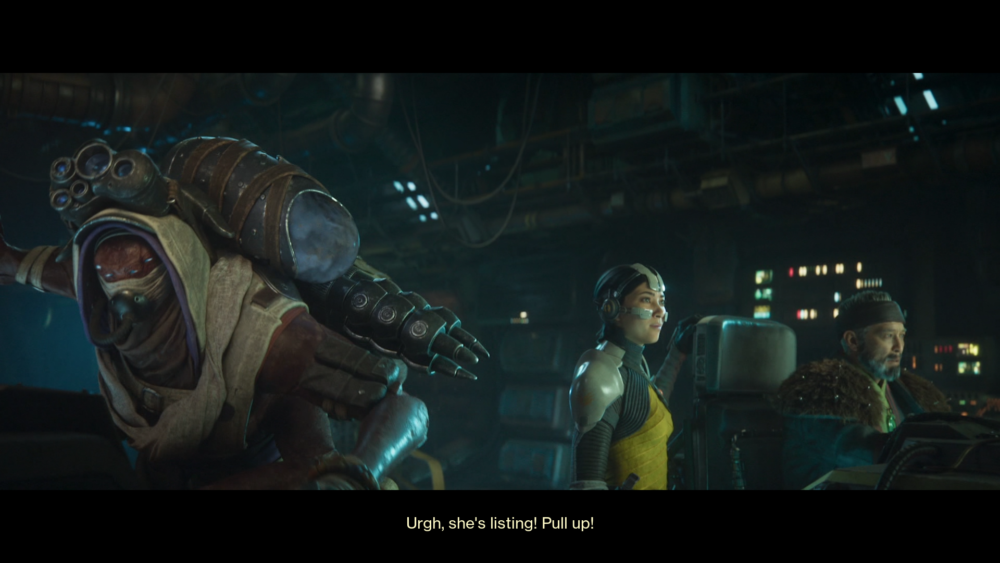
Drifters Fireteam onboard his ship 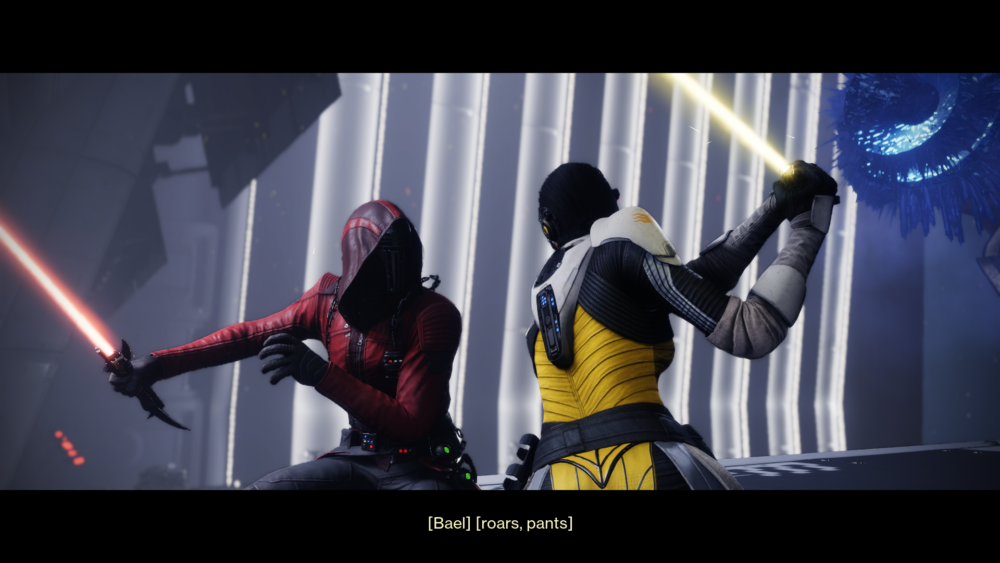
Lightsaber fight with Bael 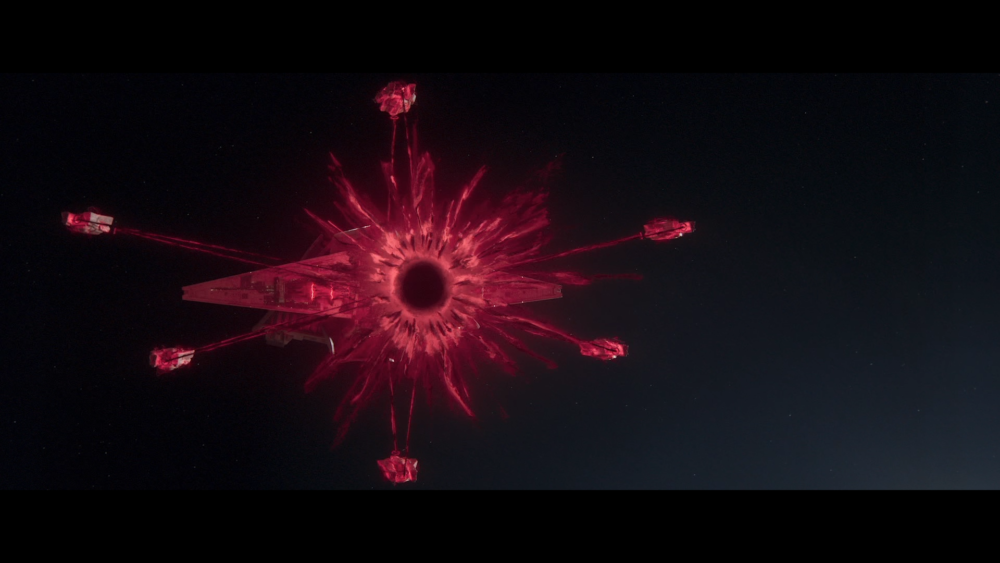
The Nightfall fires Destiny 2 Renegades 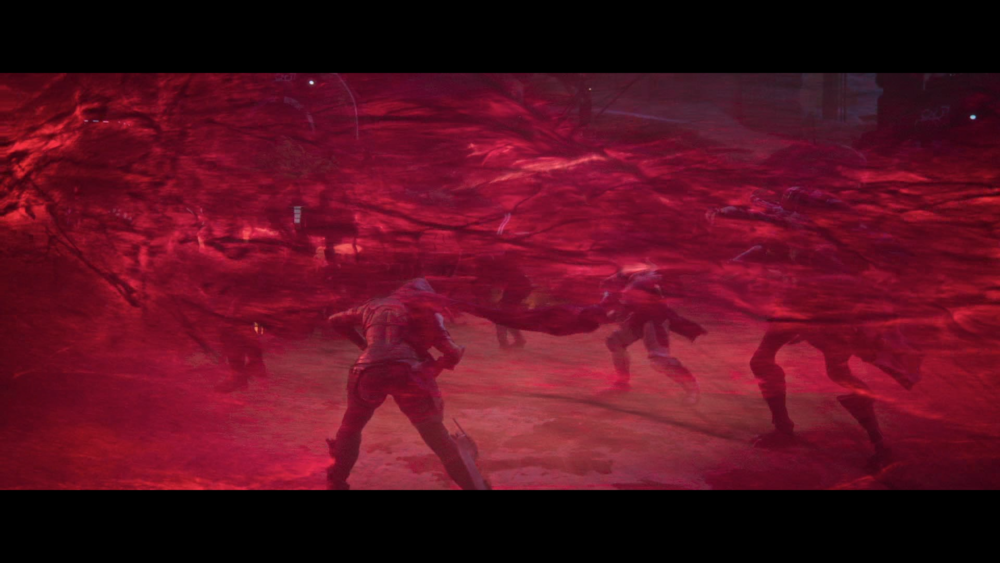
The Guardians dying to the Nightfall in Destiny 2 Renegades 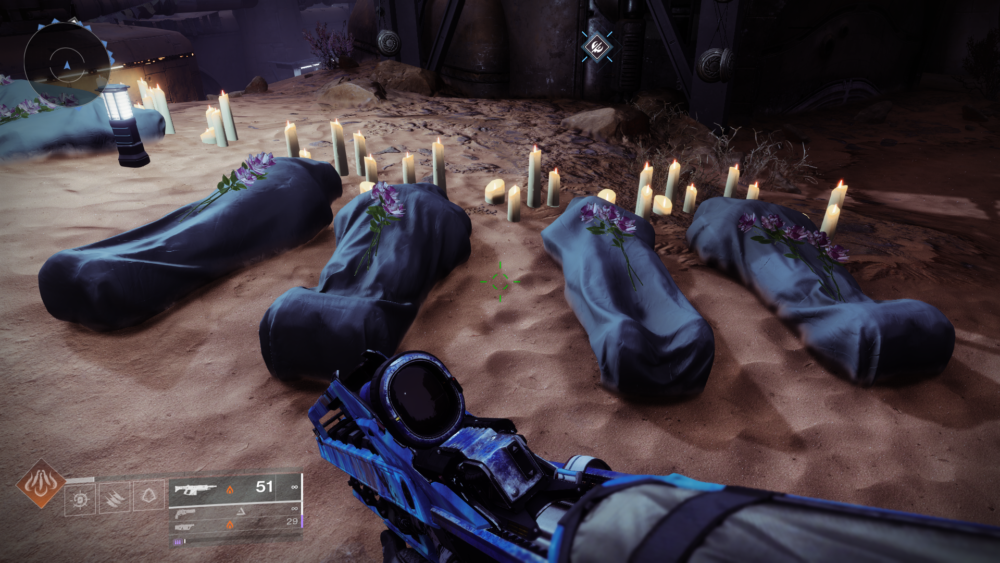
The Graves of the fallen Guardians in Destiny 2 Renegades 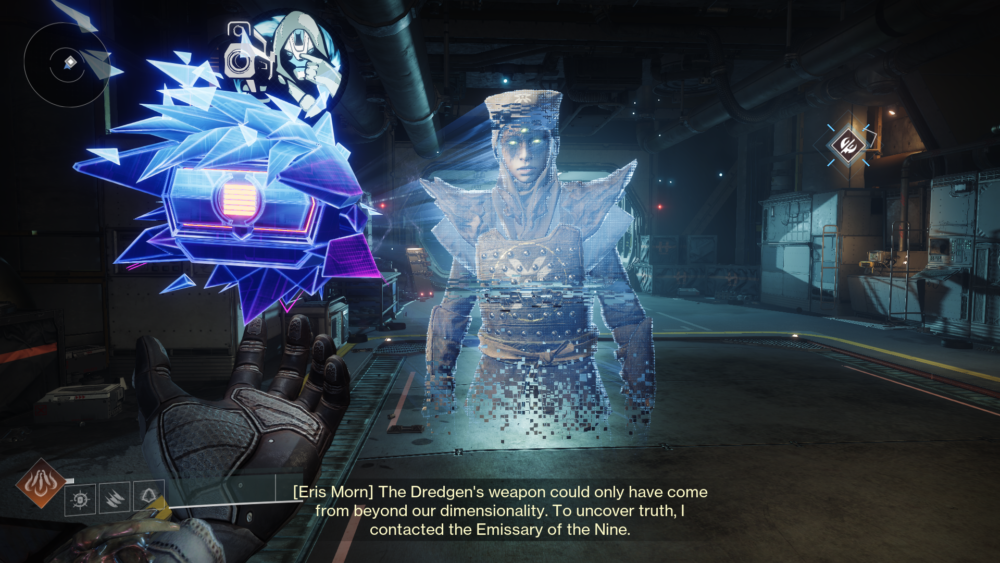
A Message from Eris 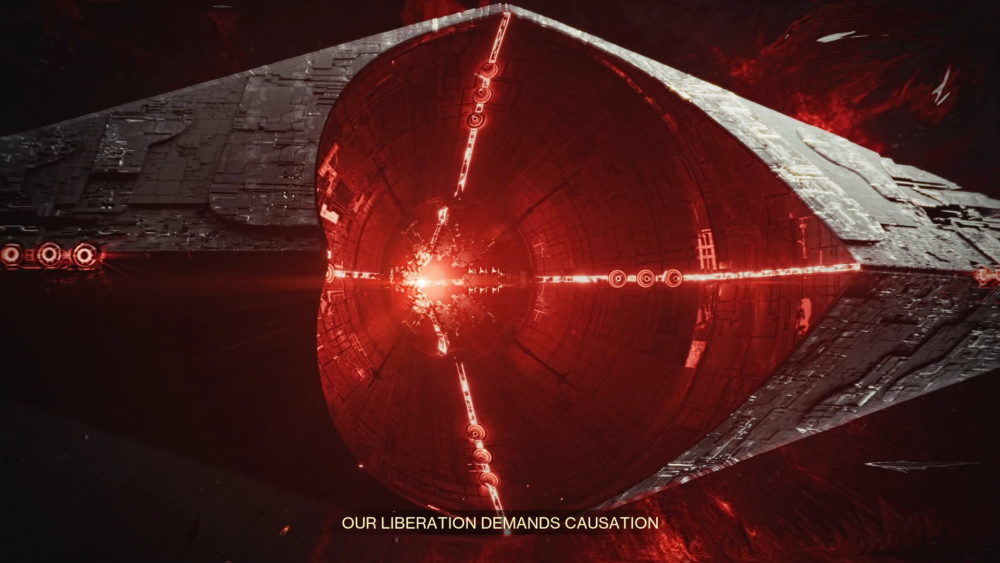
The Nightfall Super Weapon 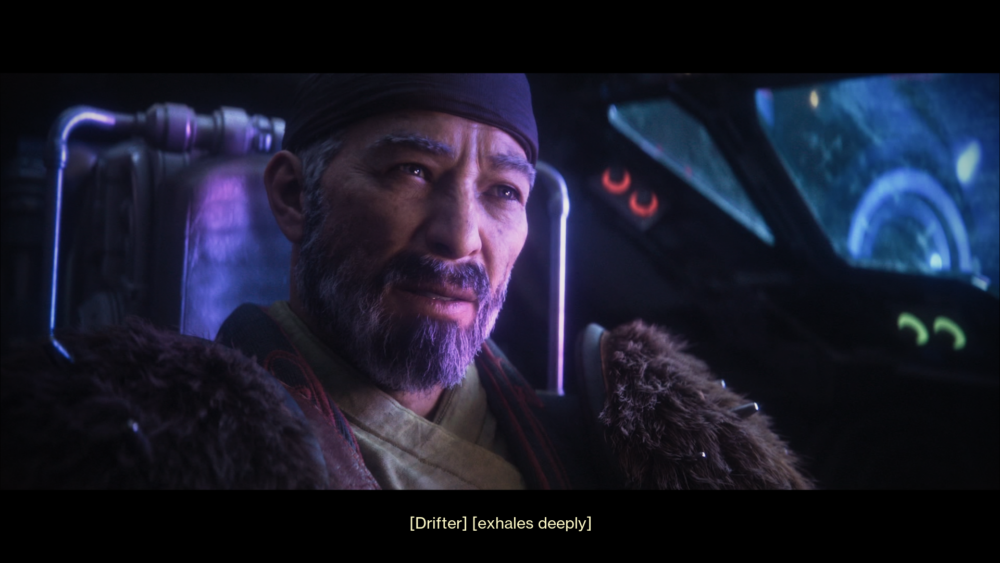
Drifters Regrets 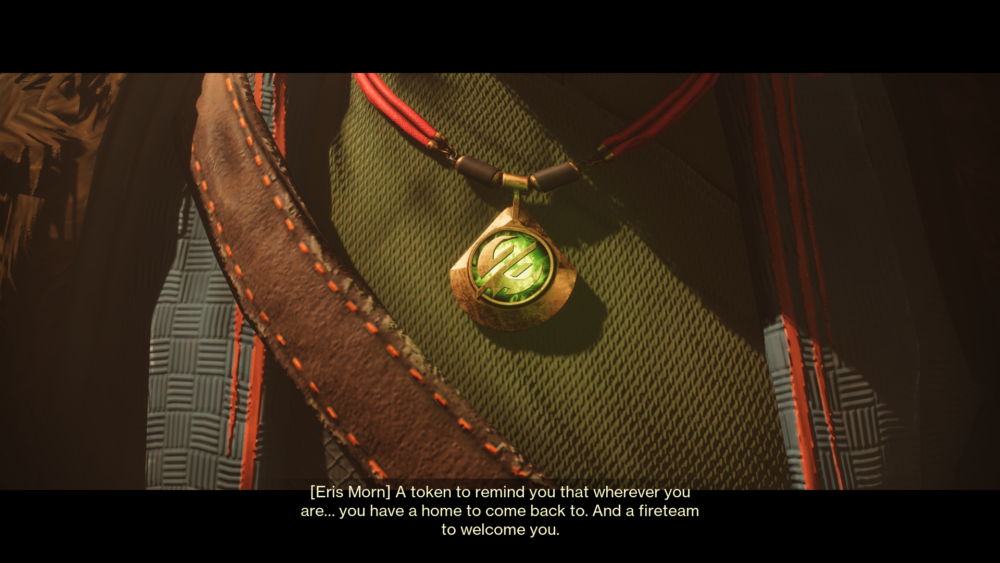
Drifters Fireteam 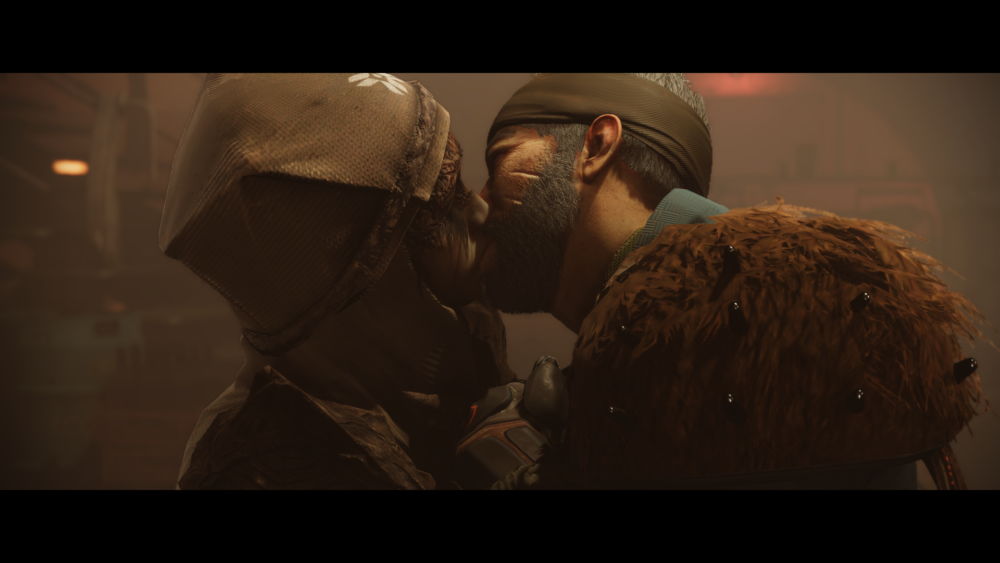
The Drifter and Eris shippers are finally happy that they kissed, FINALLY!
The Portal
When Bungie announced that they were moving to two expansion-driven story releases a year, it was initially met with hesitation and skepticism from the Destiny 2 community, but after Edge of Fate and Renegades, and how well the story worked out through the cinematic cutscenes, the voice acting, and the general increase in quality, the question then becomes: what went wrong?
The Portal, possibly the most off-putting change to Destiny 2 and its long history of changes that nobody ever wanted and that the developers kept pushing onto everyone, as I have outlined in my breakdown of how Bungie betrays consumer trust. Bungie may have sold it as an easier, more modernized way to browse and launch activities, but even Bungie later admitted that the system was the wrong path for Destiny, and that the Portal itself surrendered too much of the game’s feeling of place and exploration.
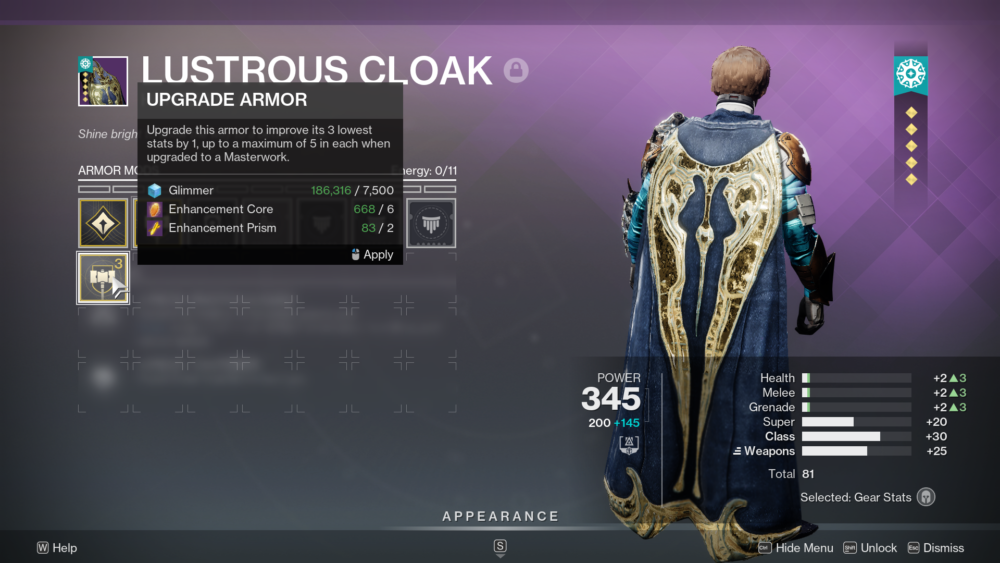
The Portal brought changes players welcomed, such as tiered armor, where players could earn set bonuses and gain new passive buffs from them, along with a new stat and Masterwork structure that made buildcrafting feel far more enticing as people worked toward the equipment sets they actually wanted. The same was true of tiered weapons, which allowed for enhanced traits, multiple perks per column, improved mods, and stronger overall stat packages, giving endgame players something tangible to grind for.
However, these changes were not without issue, because like so many prior changes made to Destiny 2, none of it felt fully compatible with the systems players had already spent years investing in. Older gear was forced into the new stat structure and was not initially outright useless, but it was treated as a means of pushing players into the new tiered gear system, as older gear afforded little to no meaningful stats by comparison. This in turn forced players to adapt to the new Featured Gear, which came with seasonal bonuses, tiered incentives, and artifact synergies that older gear simply would not work with, effectively telling players that unless they were using the new gear, they were at a disadvantage. Even if those damage and resistance bonuses were later adjusted the precedent had already been set: older loot felt increasingly unwelcome in the new sandbox, and players were once again being nudged toward emptying their vaults and restarting the grind.
This in turn left players split. Some argued that Destiny 2 is a looter shooter and that old gear should not remain the center of the game forever anyway. Others, especially veteran players, argued that they had already spent years grinding for that gear, and that repeatedly devaluing it removed any incentive to stay invested, because it made their time feel disposable. Bungie itself would later admit that climbing through what felt like throwaway tiers on the way to the gear you actually wanted was not aspirational, which only reinforced the criticism players had from the start.
But to make matters worse on top of this was the Portal itself, because Destiny 2 had long taken pride in being a narratively driven game. The Portal subsequently strips much of that away. There is no H.E.L.M.-style staging area anchoring the story, no strong in-world sense of where events are unfolding, and no real narrative framing for why the player is jumping from one activity to the next. Instead, everything is collapsed into a launcher. Even older menus such as Crucible, Vanguard, and Gambit are increasingly treated as legacy access points, with activities like Gambit no longer rewarding up-to-date gear at all.
New and returning players are then met with a system that is simple to launch, but awkward to emotionally invest in: a single hub for dungeons, strikes, and PvP, broken into Solo Ops, Fireteam Ops, Pinnacle Ops, and Crucible Ops, with rotating events like Iron Banner and Arms Week layered on top. Even when those events bring in decent drops, the overall structure still feels empty, and even Bungie’s later choice to carry Featured Gear from The Edge of Fate era into Renegades did not fully erase the impression that the grind was built around short-term churn rather than long-term player investment.
Thereby incentivizing players not to play, or at the very least disincentivizing them from becoming deeply attached to what they’ve struggled to earn, while also removing that core narrative focus in lieu of dropping into missions that often felt useful but narratively weightless. It is a system that feels more like Marvel Rivals, Overwatch, or Fortnite, where the story exists around the action rather than experiencing it, except even that comparison breaks down because Portal activities themselves often do not have any way of furthering the story. In that sense, the Portal becomes exactly what it appears to be: an empty jump-into-the-action button. And even if narrative framing were added back into it later, it would only further highlight the problem by reminding players that Bungie removed one of the central things that made Destiny compelling in the first place: its sense of world, place, and story. Bungie more or less acknowledged this themselves when they said the Portal surrendered too much of Destiny’s feeling of place and exploration.
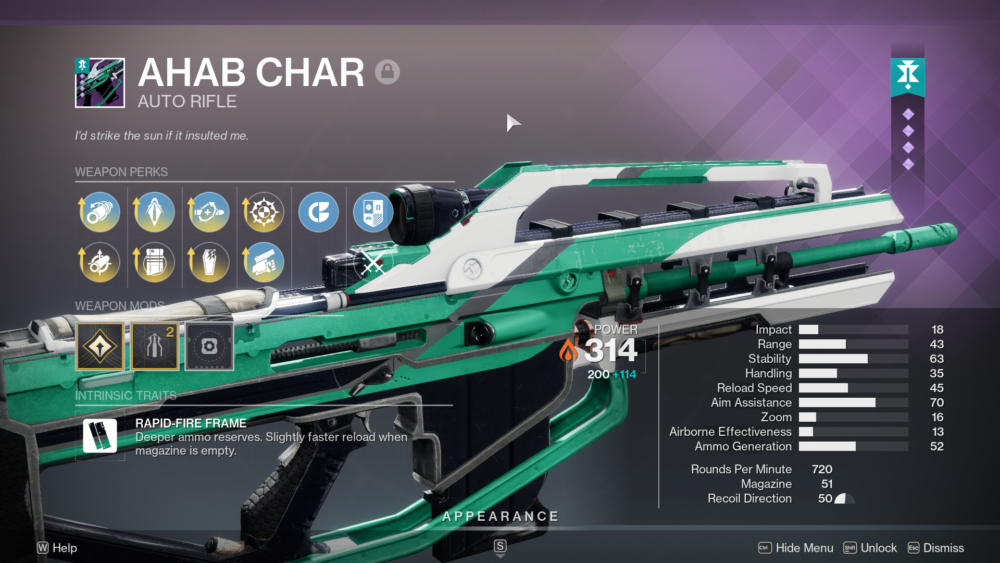
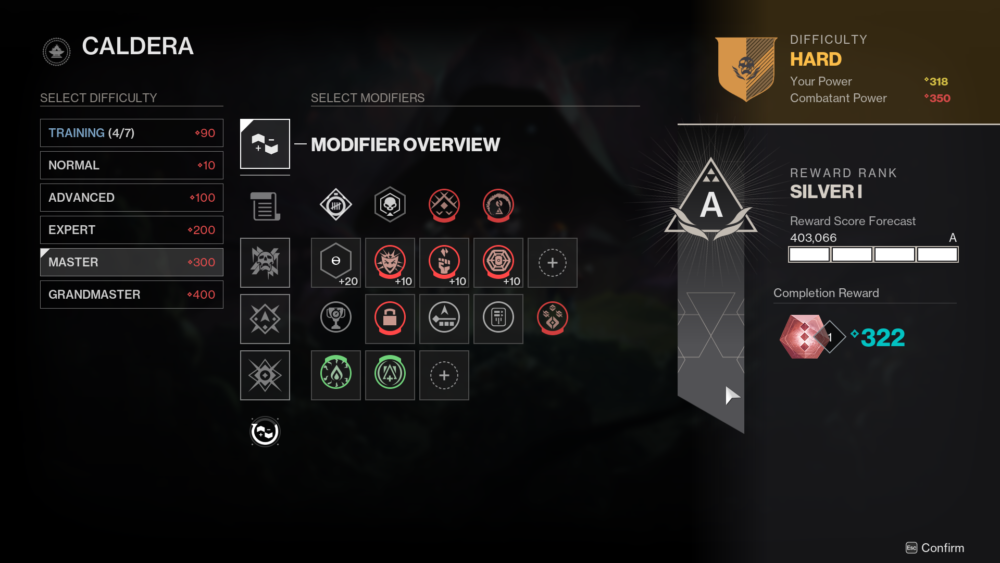
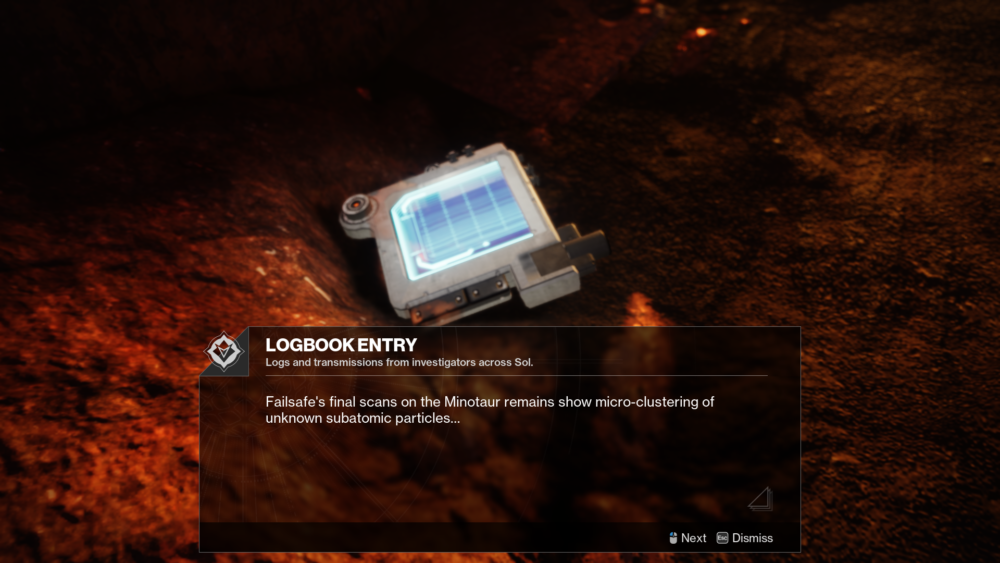
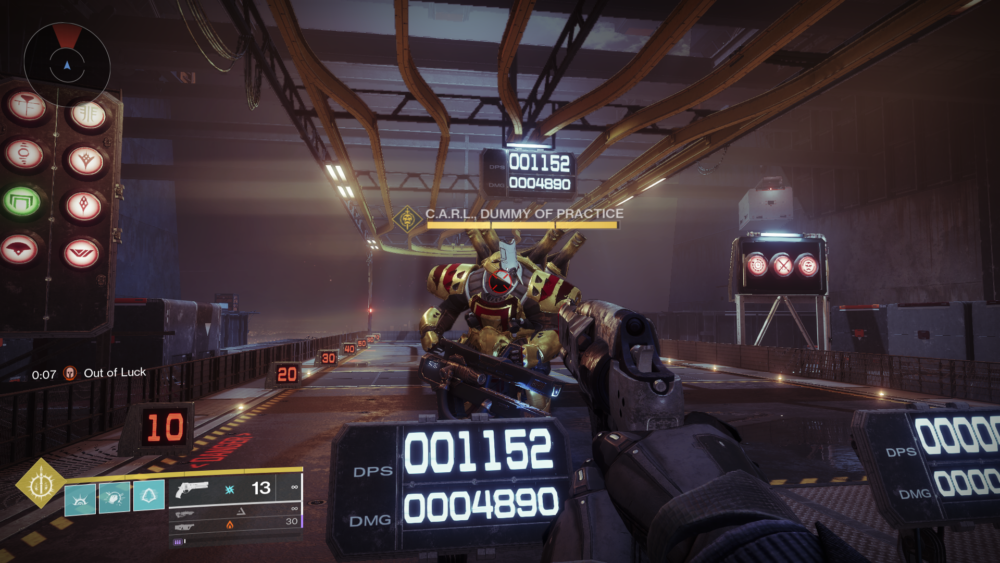
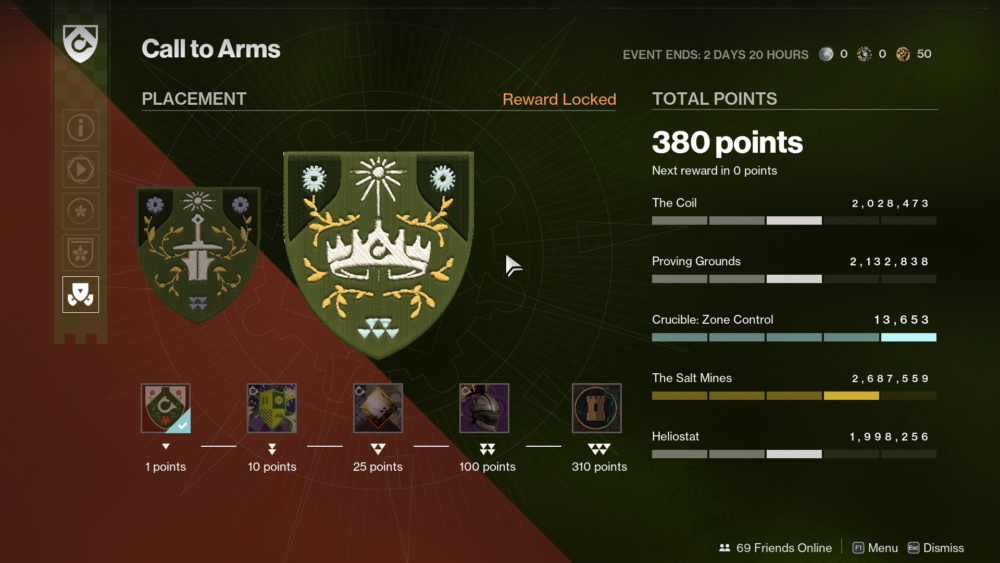
The introduction of the Portal, combined with these interesting new systems for weapons, armor, and tiered rewards, made Destiny 2 feel less like an evolving world and more like a Skinner box. Players began grinding only for what they wanted until they were done, then finding the fastest possible way to repeat the process, with myself getting Kepler Portal runs down to around four minutes just to farm equipment. There was no real fun to be had there, and nothing to meaningfully enjoy beyond the chase itself. It was simply grinding for a weapon to use, and that is ultimately what Destiny 2 has become: a hollow shell of its former self, with no proper focus, no clear direction, and a player population on Steam that now sits dramatically below its historic highs, with even Forbes writer Paul Tassi admitting that Destiny 2 has lost 91% of its entire player base.
In conclusion, the two expansions made the story arc for Destiny 2 wonderful, and it was a fresh new direction, but it was everything else that followed that undermined the system entirely. Destiny 2 feels hollow, empty, and void of fun and joy, turning what was once an enjoyable experience, where players could sit down with friends, experience the story together, and enjoy the journey, into nothing more than a simple grind devoid of fun.